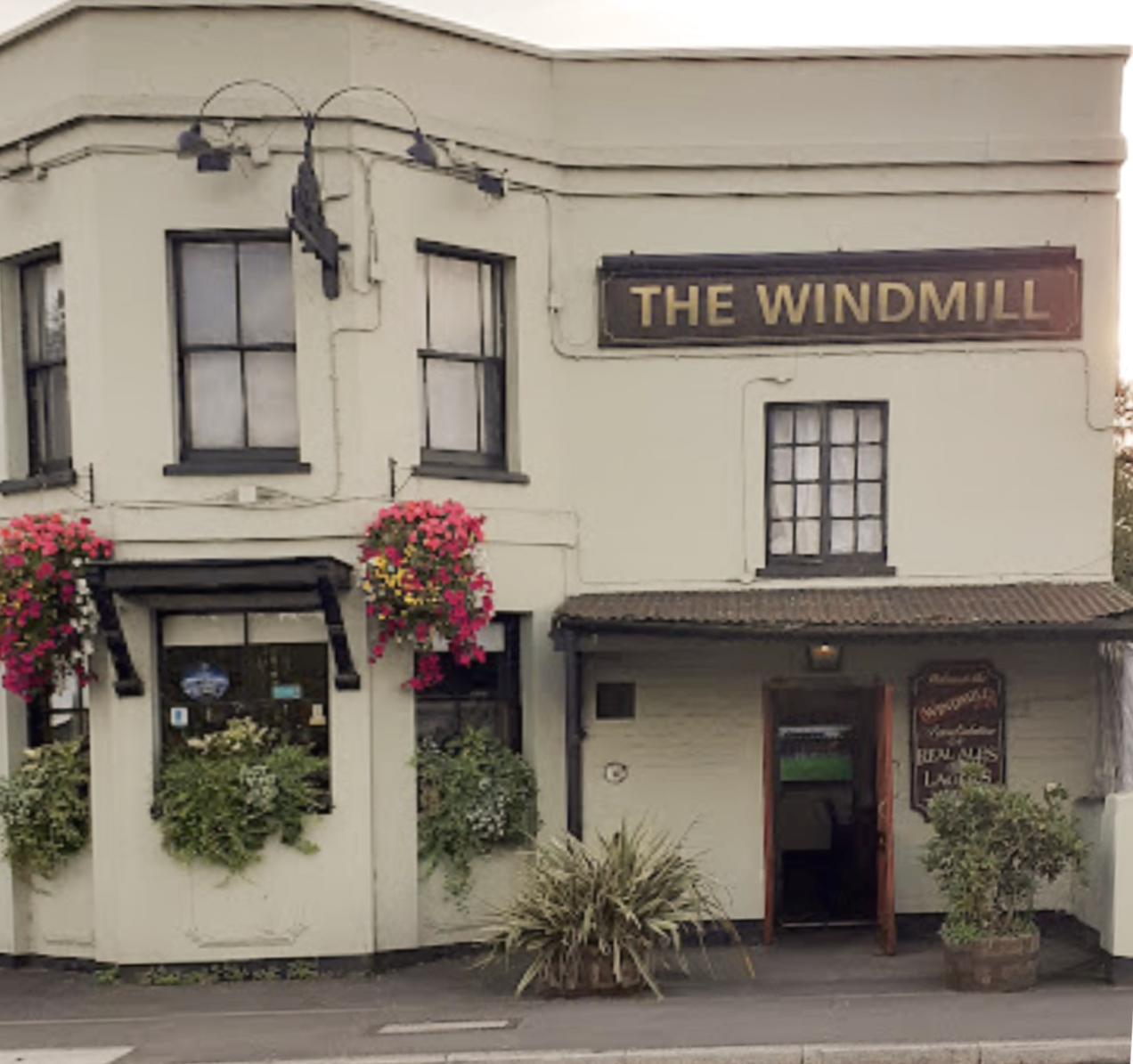
An Asset of Community Value (ACV) is a building or piece of land that is used to further the social wellbeing or interests of the local community. The concept of ACVs was introduced in the Localism Act 2011, which gave local communities the right to nominate assets that they believe meet the criteria for designation as ACVs.
Once an asset has been nominated as an ACV, the local authority is required to consider whether it meets the criteria. If it does, the asset is listed on the local authority’s ACV register. This means that if the owner of the asset decides to sell it, they must give the local community a six-month moratorium period to prepare a bid to purchase the asset.
UPDATE!
Second ACV Application Submitted
Mitcham Cricket Green Community & Heritage, on Friday 22nd March 2024, submitted the second application to Merton Council for the Asset of Community Value for the Windmill. The evidence submitted with this application consisted of 99 mbytes of files, including scans of the petition, the results of the in-pub survey, screenshots from Facebook pages showing events like Halloween and New Year parties and photos of events and fundraising posters.
The good news on 30th May was that the Council have approved the application!
Here’s a video of the pub on Saturday 20th May 2024:
249 have signed the Petition!
The petition is now closed, with 249 signatures. The sheets have been scanned so we have a copy of this fantastic contribution. The signatures were handed over the Cricket Green Ward councillors Michael Butcher and Usaama Kaweesa on Saturday 3rd February. They handed over the petition on the 7th Feb meeting, see video clip below (30 secs).
Councillors Michael Butcher and Usaama Kaweesa with the petition on 3rd Feb 2024.
46 customers took part in the survey!
I set up an app for the landlady Pat to use in the pub to do a survey of the customers. She started using it on Sunday 28th January, and 35 customers enthusiastically took part. After 1 week the survey has closed with a total of 46 responses.
The survey asked customers how long they have been coming to the pub, how often they come in, what events they take part in, such as themed nights, live music and quiz nights. They can also add their comments, and I’ve added those made so far, in alphabetical order, below under Testimonials. Here’s a summary of the survey results :-
85% visit the pub weekly, 37% have been a customer for over 20 years, and 52% are aged over 65.
Contact your Councillor!
The Windmill pub is in the Cricket Green Ward. There are three councillors, listed below with their email addresses. Their monthly surgery is on the first Saturday of the month, and so the next one is on Saturday 3rd February 2024, at:
10-11.30am Mitcham Parish Centre Church Path off Church Road Mitcham CR4 3BN
Nearest bus stop is Hall Place and Miles Road for route 200. Parking available in Hallowfield Way.
As a group of Venture Scouts from the 3rd Mitcham Woodland Way, we have used the Windmill for our annual reunion for the past 30 odd years.
Although we are spread far and wide between 20 to 30 members still make it each year.Without the Windmill our reunion would probably cease in Mitcham.
Let’s make sure that the Windmill becomes and state a community asset.
Dave
Group Scout Leader
3rd Mitcham Scout Group
From Facebook
Such a beautiful pub that is absolutely spotless clean,lovely pints, great friendly service. Pubs are sadly dying out the councils need to realise how much benefit they are to the communities wether it be for partying or just a great place to meet up with friends or make new friends and get out of the house.
Michelle, from Facebook
The Windmill has remained a mainstay in Mitcham, virtually unchanged.
Martin, from Facebook
From comments made at the pub when answering the survey:
Please keep the Windmill open - Alan N.
Keep this pub open for the local community - Carl N.
Please keep the Windmill open for me and the regular customers - Craig P.
Please keep the Windmill open for our pleasure and the community - Darren D.
Fabulous pub - Debs
Please keep the Windmill open for me and the customers - Eileen B.
I love coming to this pub because it is really good great customer service friendly people and good drinks all around a really great place - Gafton
Please keep our pub open for everyone's enjoyment - Gary H.
Please keep our pub open to keep us sane - Graham R.
Love this fantastic pub - Hazel N.
Nice to come where everybody knows your name....with a friendly atmosphere. - James
I have been coming here with a mate over the last few years and have recently moved to the area. The pub is a wonderful place to meet people, all of which are very friendly. I have seen numerous instances of the pub raising money for various charities, often with a special reference to a local person or cause. It seems to me that many local organisations use the venue to get together both socially and to discuss matters important to them. Fantastically welcoming local venue. May it last forever. - John W.
Great pub - Joshua W.
Please keep the Windmill open for everyone in the community - Keith C.
Please keep the Windmill a place for everyone to meet and enjoy social life - Lance F.
Been coming to the Windmill public house for 30yrs, it has played a major part of my life through meeting people and making friends, especially Pat who is an amazing person who goes beyond being just a fantastic landlady and friend. The Windmill is a great asset to the community, where people from all diverse background and cultural backgrounds come together peacefully to socialise and have done for many years. It's important that the Windmill remains a public house, not just that it is a safe haven for those of us with mental health issues where we can lose and forget our problems if only momentarily, but for the history of Mitcham which is slowly been eradicated. - Lawrence
Lovely local pub with friendly atmosphere - Lucy C.
This pub means so much to so many people and is a lovely place to drink and socialise with good people in the community......it will be an absolute travesty to let this place close - Marc
This pub services the community and supports the locals in many ways. It is a community pub a welcoming pub that is at the heart of this community. - Mary
Please keep the Windmill open - Nathalie V.
Please keep our wonderful pub open - Nicki D.
Please keep the Windmill open for me and the customers who enjoy the time here - Richard S.
Please keep the Windmill open for me and the Windmill customers - Richard S.
Been coming to the Windmill for over 20 years - Richard W.
Please keep the Windmill open for me and the customers - Rick S.
An amazing community pub which is a real part of Mitcham Heritage offering a friendly welcome for all. - Roger
Please keep the pub open. It is the heart of Mitcham - Suzanne