Furniture shop at 73 Monarch Parade, seen here in this 1950 Tuck postcard:

clip from 1950 Tuck postcard

ad from Sept 1948

ad from The Bucks Herald of 30th April 1948
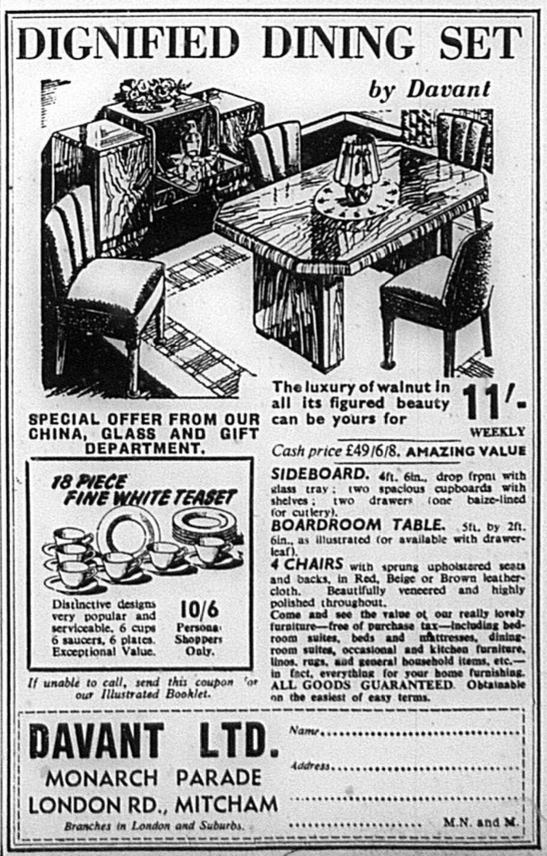
ad from Jan 1950
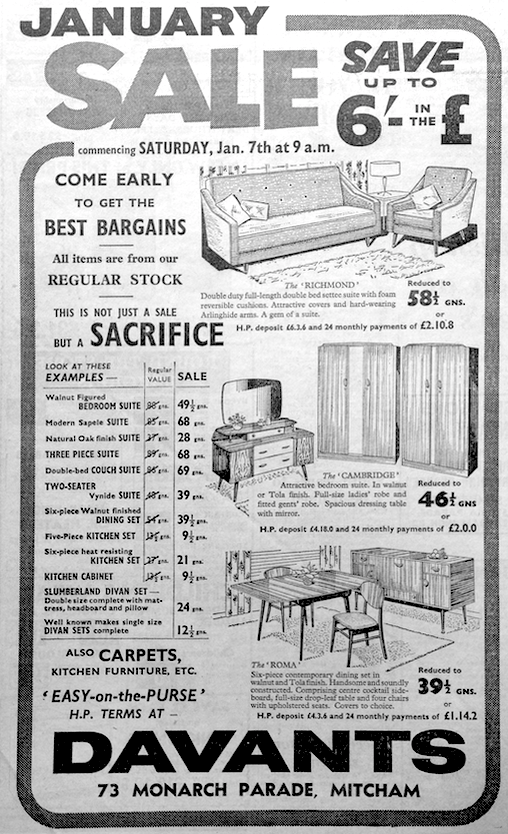
1961 ad
Listed in the 1954 telephone book with the number MIT 4893
Furniture shop at 73 Monarch Parade, seen here in this 1950 Tuck postcard:
clip from 1950 Tuck postcard
ad from Sept 1948
ad from The Bucks Herald of 30th April 1948
ad from Jan 1950
1961 ad
Listed in the 1954 telephone book with the number MIT 4893
Road built on a former golf course, hence the name the Links Estate, in around 1907. Between Seely Road and Links Road.
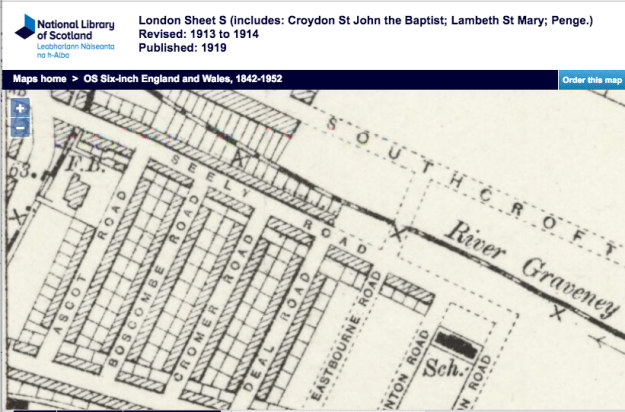
1913 OS map
From the minutes of the Croydon Rural District council
Volume XII 1906 to 1907
Highways and New Streets and Buildings
10th January 1907
Application number 4129 from Mac Callum Bros. to build 50 houses in Ascot Road.
Occupants rom the 1915 street directory
from Links Road:
WEST SIDE1, Alfred John SEWELL
3, Charles Robert STEGGALL
7, John BACON
9, Henry ROCHE
11, Amos JEFF
13, William J White
15, Ernest CROOK
17, James Cameron PARHAM
19, William JOHNS
21, Bertie John SAUNDERS
23, Mrs M.A. WHITE
25, Joseph OLSTEAD
27, William BUNDOCK
29, Edward WALTERS
31, Miss DELPLANQUE
33, Charles Henry GODWIN
35, Augustus WRIGHT
37, George PARTRIDGE
39, George Campbell GRACE
Ascot Villa, William BALDRYEAST SIDE
2, William COOK
4, Ercole RAFFONI
6, Henry John TESTER
8, Francis BLACKWELL
10, Edmund George NEALE
12, Lascoff HUMPHREYS
14, Edward James FERGUSON
16, Charles Frederick Durrie MULFORD
18, Mrs MANDER, nurse
20, Walter John ELLIS
22, Daniel Chant WILLIS
24, William John COX
26, Lewis ESCOTT
28, John SANTRY
30, William Joseph McCARTNEY
32, Walter Henry JORDAN
34, Thomas WEATHERSTON
36, James Arthur TILLOTT
38, Charles James SCREECH
40, Mrs CLARK
42, Frederick Robert GREEN
44, Henry SPOONER
46, Arthur James REEVE
48, Herbert CROSSLAND
50, Mrs TAYLOR
52, Charles MORITZ
58, William WEXHAM
60, William Henry JULIAN
From a 1939 auction:
SALE TUESDAY EVENING NEXT.
LEONARD DAVEY & HART Have been instructed to offer by Auction, at the Greyhound Hotel. Croydon, on TUESDAY. 28th MARCH, at 6.30 p.m. The following properties:-
9, ASCOT ROAD, TOOTING JUNCTION.
— Attractive centrally situated Villa, producing £65 gross. Lease 67 years at £5.
Minutes of meetings held by the Croydon Rural District Council are available on request from the Merton Heritage and Local Studies Centre at Morden Library.
Maps are reproduced with the permission of the National Library of Scotland.

